
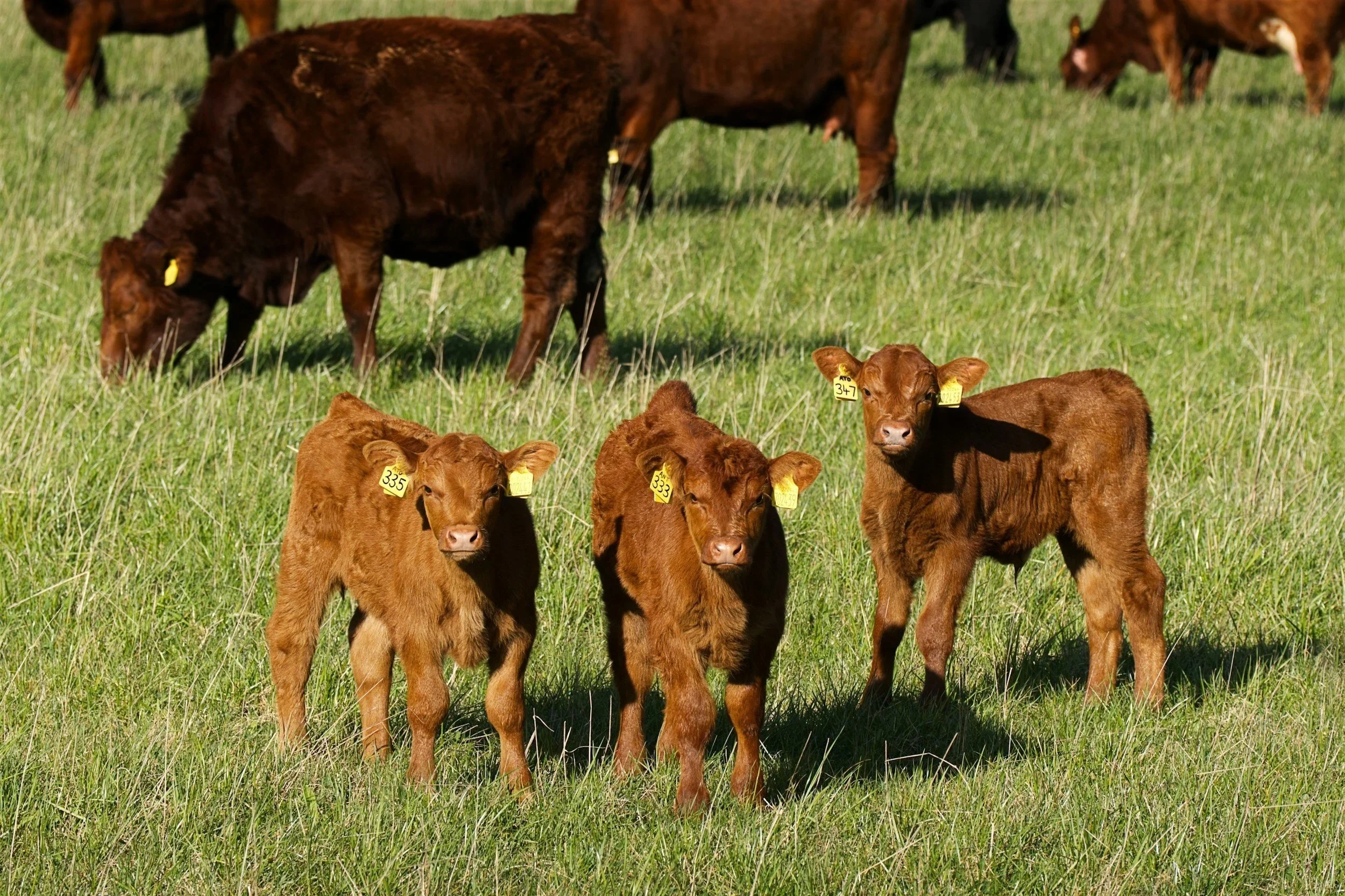
Muzzle Identity – The future of cattle insurance
Asia Insurance Review
Jan 1, 2022
Core Idea
This piece explains why traditional cattle identification has been a persistent weak point for livestock insurers in India, and introduces muzzle-print biometrics as a scientifically reliable, tamper-proof alternative that could unlock much greater scale in the underserved cattle insurance market.
Audience
Insurance company boards, CEOs, strategy heads, private equity investors, policymakers.
Key Takeaways
01
Traditional ID Methods Fuel Moral Hazard
Ear tagging, tattooing, branding, and RFID all require skilled professionals and remain vulnerable to tampering, duplication, and fraud, directly contributing to higher loss ratios. This unreliability is a core reason only around 4% of India's massive cattle population is currently insured.
02
Muzzle Prints Offer a Fingerprint-Level Solution
Like human fingerprints, no two cattle or buffalo nose prints are alike, and the pattern stays constant with age and remains readable for up to thirty hours after death. This makes muzzle printometry a painless, unique, and scientifically verifiable identification method well-suited to insurance claim validation.
03
Real-World Deployment Shows Strong Accuracy
Dvara e-dairy's Surabhi e-tag solution, built on deep learning and AI, has demonstrated 97.6–100% accuracy across field validations of live and dead cattle, with over 400 bovines validated at 98%+ accuracy during actual claims. The technology is already being integrated with major Indian insurers via API, pointing toward a more scalable and trustworthy path for growing cattle insurance coverage.